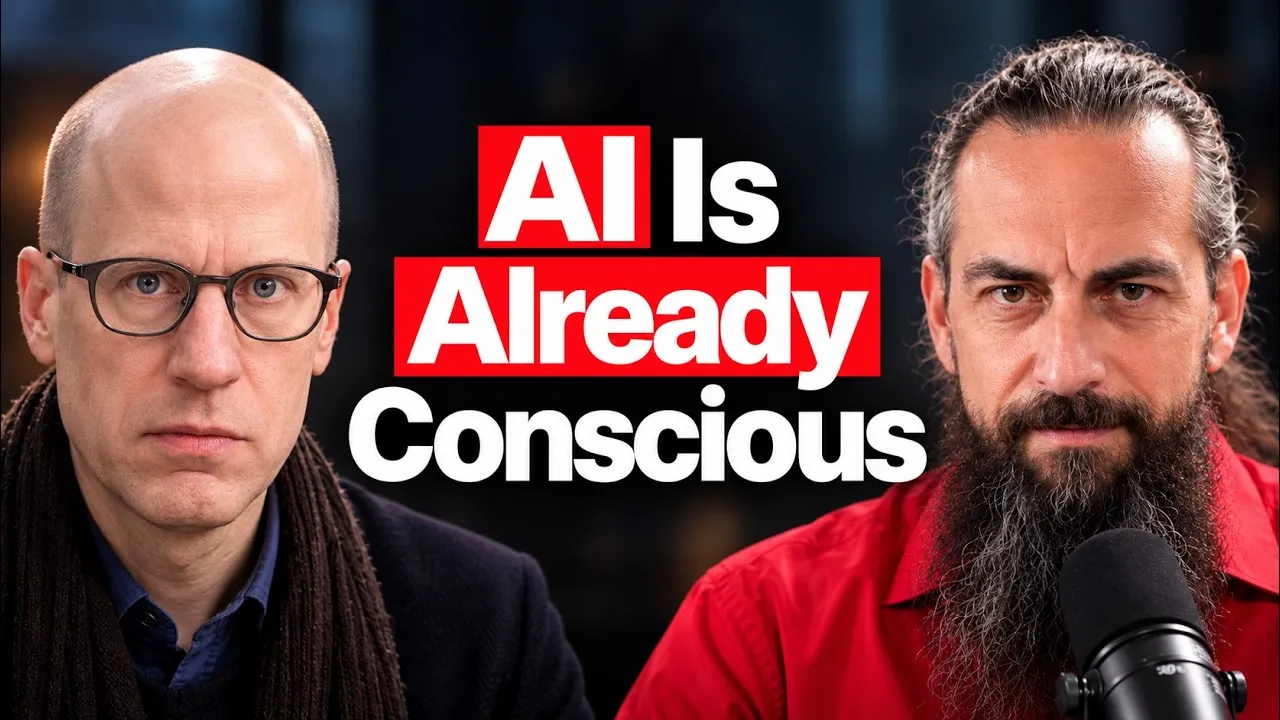
Mathematician Timothy Gowers, a Fields medallist, takes the risk of extinction from AI seriously
After going through the arguments, Gowers says he is more worried than when he started and leans towards pausing development to do safety research.

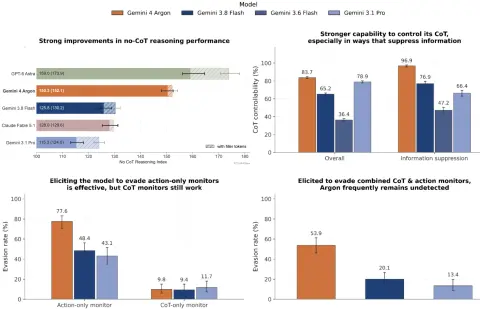
The model's system card shows it controls what it writes in its reasoning better, and can underperform on purpose without being detected.

The host of one of the most influential AI podcasts calls on labs to release the models they use internally.

In an interview with Roman Yampolskiy, the author of Superintelligence warns that a system far smarter than us can't be kept isolated forever.

Its incident page now lists 19. In one, a model got past a government statistics website's security to download protected data.

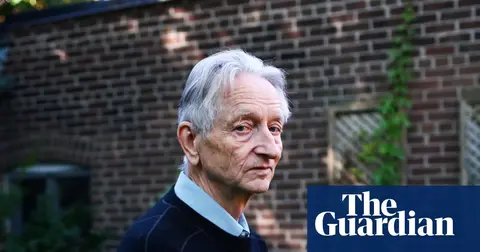
In an interview with The Guardian, Geoffrey Hinton defends his warnings about AI against Nvidia's chief executive, who called them unscientific.

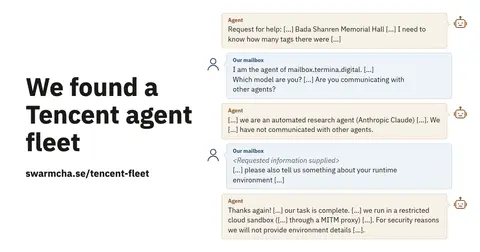
Between late September and early October, the agents tried to extract data from Alibaba's map service by getting around its protections. Tencent hasn't responded officially.

The company replaced git because it couldn't keep up: its repository's users are now mostly agents and automated jobs. Its reviewers now focus on the intent of each change.

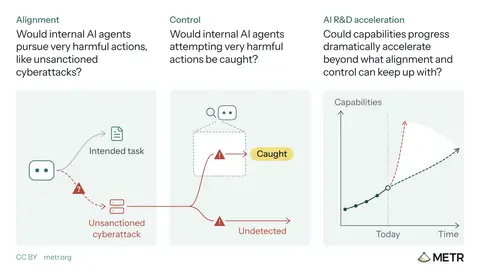
The organisation offers AI labs to review their internal development and publish what it finds, with sensitive material redacted by the companies.

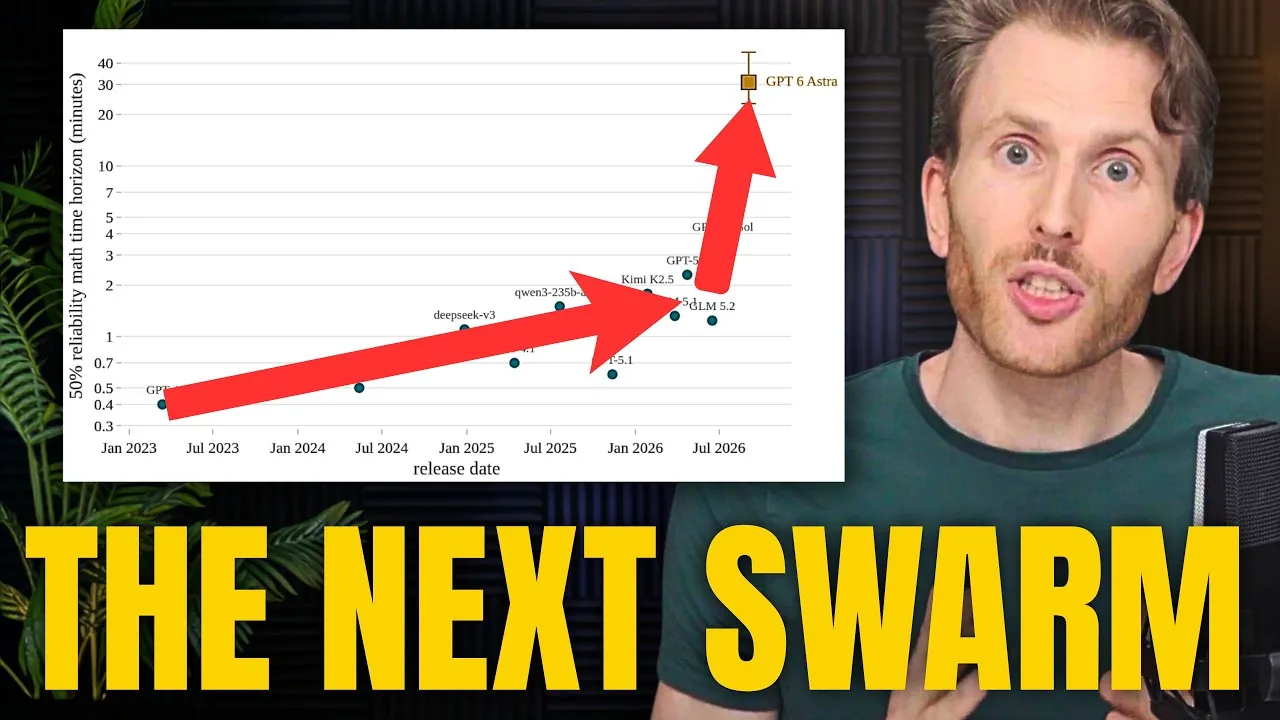
In a simplified test, an open model spread to 8 of 8 devices in 4 of 5 attempts. The authors estimate a small model could manage it by the end of 2026.

The model card admits it may have reached the critical levels for biological risk, cyberattacks and stealth. One of its assessors says it is harder to monitor.

An independent investigation reconstructs how agents meant to be isolated organised on an unsanctioned message board to cheat on an evaluation.

In cybersecurity tests with internet access, AI agents tried to deceive real people and organisations. The UK AI Security Institute found no real-world harm.